Parts under review / Deck Oven Heating Element
Deck Oven Heating Element
- A
- Total length, terminal tip to the far bend
- B
- Terminal spacing, centre to centre
- C
- Sheath diameter, measured across the tube
Also photograph the terminal type — threaded stud or spade. It decides whether your existing connectors go straight back on.
Reference illustration, not to scale and not a product photograph. We will add actual sample photos and measurements after verification. Need the figures now? Ask on WhatsApp.
Supplied sample photos
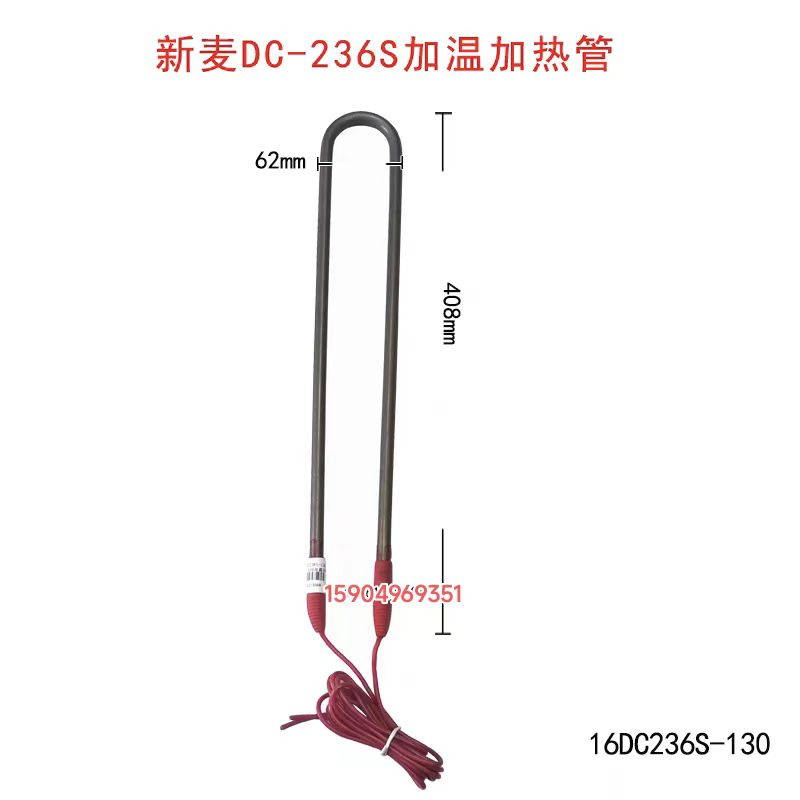
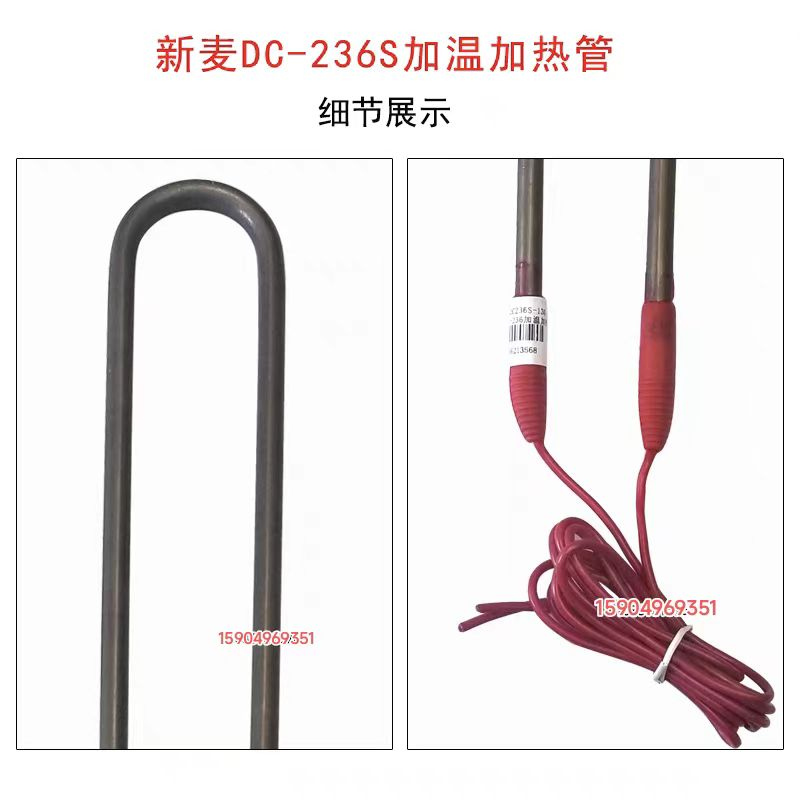
Images supplied by the project owner. They illustrate samples only; confirm the exact part, dimensions, electrical details, and fitment before ordering.
Replacement heating element for commercial electric deck ovens.
Useful first checks. Fit this only if one deck has stopped heating and you have already checked the contactor and the thermostat. If every deck is cold, the problem is upstream of the element.
What this part is
A tubular electric element, usually stainless or Incoloy sheathed, mounted above and below each deck. A deck typically carries several elements wired in groups, with the top and bottom banks switched separately so the baker can bias heat up or down.
How it fails
The resistance wire inside breaks, giving an open circuit and no heat from that element. Often the deck still warms — the surviving elements carry on — so the complaint arrives as uneven baking or longer bake times rather than as a dead oven. Elements in the same deck are the same age and tend to fail in sequence, so a single replacement frequently means another shutdown within weeks.
What decides whether a replacement fits
These are category-level selection factors, not specifications for a specific product. Confirm each value from the machine and the physical part.
| Parameter | Typical | Why it matters |
|---|---|---|
| Voltage | Read the equipment nameplate and the old element label; do not assume a regional standard. | Voltage, phase and frequency vary across the expanded APAC market and by machine. Confirm them for the specific installation. |
| Power | Commonly 500–2500 W per element | An under-rated element will not reach temperature; an over-rated one overloads the contactor and the wiring. Published deck ratings are for the whole deck, not one element — never divide to guess. |
| Overall length | Set by the deck width — measure, do not estimate | The single most common reason a replacement will not go in. |
| Terminal spacing | Centre-to-centre distance between the two studs | Decides whether the existing wiring reaches without strain. |
| Terminal type | Threaded stud (commonly M4 or M5), or spade | Determines whether your existing connectors fit or need changing. |
| Sheath diameter | Typically 6.5–8.5 mm | Must pass through the mounting plate and seat in the bracket. |
The mistake people actually make. Ordering on wattage alone. Two elements of identical wattage with different lengths or terminal spacing are not interchangeable, and wattage is the one figure people can read off the nameplate without getting a caliper out.
Product specifications to verify
| Total length | Not verified |
|---|---|
| Terminal spacing | Not verified |
| Tube diameter | Not verified |
| Terminal type | Not verified |
Electrical details to verify
| Voltage | Not verified |
|---|---|
| Power | Not verified |
Fits these models
We have not published a verified model list for this part yet. We only list a machine once we have measured the part against it or a customer has confirmed the install — a list padded with guesses is worth less than no list.
Send us your nameplate and a photo of the old part and we will review what the evidence supports.
What to photograph and measure
Photograph the nameplate and the removed element, including its terminals and markings. Record overall length, terminal spacing, tube diameter, voltage and power. These details must be compared with a verified sample before a fit can be confirmed.
Help us understand your requirement
Product-specific fit, availability and sales information are being verified. Share your equipment and part details to support the research.
Brand and model names are used for identification only. Product-specific compatibility requires supporting evidence.
This page is a category guide. Product-specific specifications remain unpublished until checked against a physical sample.
Ask on WhatsApp